Maca, saffron and pine bark: what they are
Three plant-based names on the Honeyfil list sound exotic. This explainer shows what maca, saffron and pine bark are, where they come from and how they are known.
- Maca is a Peruvian root vegetable and Andean food staple.
- Saffron is the prized red spice threads.
- Pine bark extract comes from the bark of a pine tree.
- Amounts are on the bottle's Supplement Facts panel.
Three names, three very different origins
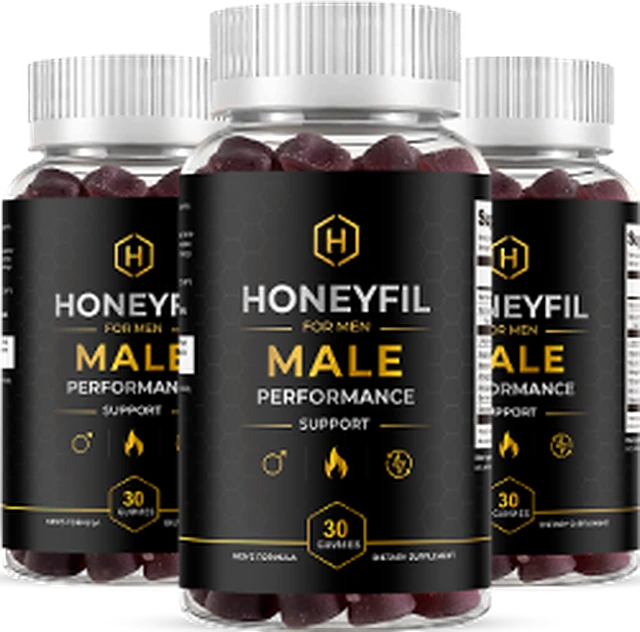
A mountain slope in Peru, a purple flower picked by hand and a pine forest. That is the geography behind three plant names in the Honeyfil formula. Maca root extract, saffron stigmas extract and pine bark extract are all listed in the product information we reviewed, along with five other ingredients.
This explainer sticks to what each one is. We do not describe what they do in the body, and the complete Supplement Facts panel on the bottle label is the place for amounts. Customer support can share details if you want to know more.
Maca: the root from the Andes
Maca is a root vegetable grown in the high Andes of Peru, and it is an Andean food staple. The root is often described as looking a little like a radish or a turnip, and it comes in several colors. In Peru it appears in everyday cooking, and in other countries it is sold as a powder that gets stirred into drinks and baked goods.
An extract is a concentrated form made from the root. In the Honeyfil formula it is listed as maca root extract. For a neutral look at plant-based products in general, the NCCIH Herbs at a Glance collection is a good reference.
Saffron: the prized red threads
Saffron is the red spice many cooks regard as a treasure. The threads are the stigmas of the saffron crocus flower, picked and dried carefully. Because each flower provides only a few threads, the spice has long been known for being special, and dishes such as paella and risotto show off its golden color and aroma.
The Honeyfil label lists saffron stigmas extract. That is simply the concentrated form made from those threads. It is the only ingredient on the list that most men have probably seen in a spice rack.
Pine bark: from the tree itself
Pine bark extract is made from the bark of a pine tree. That is the whole plain-English description, and it is a refreshing change from the long chemical-sounding names on many labels. Bark has been a part of the plant world for as long as trees have existed, and extracts like this one are made by drawing concentrated material from it.
Next time you walk a wooded trail on a weekend, you will know exactly what that rough outer layer is. It is a nice reminder that many supplement ingredients start life in places you can visit.
Like maca and saffron, pine bark extract is described here by its source. If you want to explore how plant-based products are discussed more broadly, the MedlinePlus dietary supplements page is another friendly stop.
Why plant names deserve a closer read
Plant extracts can sound mysterious, yet reading them is easy once you know the pattern: the plant, the part of the plant and the form. Maca is the root, saffron is the stigma and pine bark is the bark. A label that names all three, as Honeyfil does, is giving you the details you need to look things up.
As stated by the brand, Honeyfil is positioned around daily energy, stamina, endurance and healthy circulation as part of a healthy lifestyle. We read that as the brand's theme, and we keep the focus on habits like strength training, brisk walking and protein-rich meals alongside it. Our plain-English guide to every ingredient and the Honeyfil ingredients page cover the other five.
Where to go from here
A tip for the road: save this page, then open your bottle and match each name on the Supplement Facts panel with what you learned here. Seeing familiar names on a label is a small confidence boost, and it makes the purchase feel informed rather than rushed.
If these three names caught your interest, the next step is easy. Read the label, follow the serving directions and see how a one-gummy-a-day routine feels. The product information we reviewed describes one gummy a day with water, and a 60-day money-back guarantee gives you time to find out.
When you are ready, see today's price on the order page.